In today’s complex business landscape, the threat of financial fraud and misconduct looms large for organizations of all sizes. Uncovering these illicit activities requires more than a standard financial review; it demands a specialized approach known as a forensic audit. A well-defined forensic audit scope of work template serves as the critical roadmap for these intricate investigations, ensuring efficiency, clarity, and legal defensibility.
Understanding the precise boundaries and objectives of a forensic engagement is paramount for its success. Without a clear framework, investigations can quickly become unfocused, costly, and ultimately ineffective. This article will delve into why a robust forensic audit scope of work template is indispensable, explore its key components, and provide a practical sample to guide your efforts in combating financial irregularities.
Readers will learn how to structure their audit engagements, identify crucial elements to include, and understand the benefits of a standardized yet adaptable template. We will equip you with the knowledge to approach forensic audits with confidence and precision, ensuring every investigation is thorough and purposeful.
Understanding the Crucial Role of a Forensic Audit Scope
A forensic audit is far more specialized than a traditional financial audit. While both examine financial records, their objectives, methodologies, and outcomes differ significantly. A clear scope is essential to delineate these differences and set appropriate expectations for the investigation.
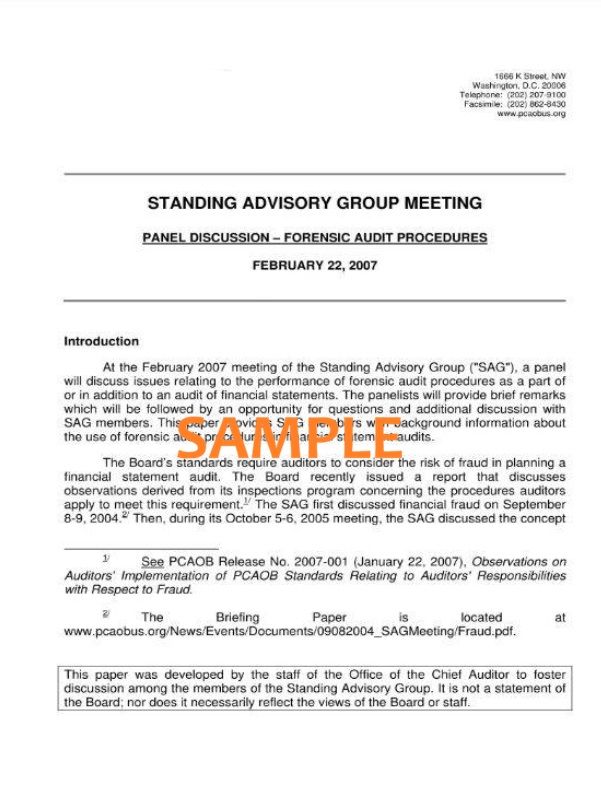
Defining Forensic Auditing and Its Purpose
Forensic auditing primarily focuses on detecting, investigating, and documenting financial fraud and other misconduct. It often involves gathering evidence suitable for legal proceedings, distinguishing it from a compliance or assurance audit. The purpose is not merely to express an opinion on financial statements but to uncover specific facts related to alleged or suspected illegal acts.
Investigators use a combination of accounting, auditing, and investigative skills to scrutinize financial data. They look for anomalies, discrepancies, and patterns indicative of fraud schemes, such as embezzlement, money laundering, or asset misappropriation. The findings often provide litigation support, aiding legal teams in understanding complex financial transactions.
Benefits of a Structured Engagement Plan
Implementing a structured forensic audit scope of work template brings numerous advantages to any investigation. It provides clarity to all stakeholders, from the client requesting the audit to the forensic team conducting it. This clarity helps manage expectations and prevents misunderstandings throughout the process.
A well-defined scope also enhances efficiency by guiding resource allocation and task prioritization. It ensures that the investigative team focuses on relevant areas, preventing scope creep and unnecessary expenditures. Furthermore, a detailed plan strengthens the legal defensibility of the audit findings, as it documents the procedures followed and the parameters of the investigation.
Key Components of an Effective Forensic Audit Scope of Work Template
Creating a comprehensive and adaptable forensic audit scope of work template requires careful consideration of several critical elements. Each component plays a vital role in defining the investigation’s boundaries, methodology, and expected outcomes. A thoughtful approach ensures all necessary aspects are covered without overwhelming the process.
Essential Elements for a Comprehensive Plan
Every robust forensic audit plan begins with clearly stated objectives, outlining what the investigation aims to achieve. This might include identifying the extent of fraud, pinpointing perpetrators, or quantifying financial losses. Detailing the engagement team, including their roles and responsibilities, ensures accountability and expertise alignment.
The template must also specify any scope limitations, clearly stating what will not be covered by the audit to avoid future disputes. A detailed methodology section describes the procedures to be followed, such as data analysis, interviews, digital forensics, and chain of custody protocols for evidence collection. Finally, reporting requirements dictate the format, frequency, and recipients of interim and final reports.
Adapting the Template to Specific Case Needs
While a standardized template provides a strong foundation, its true value lies in its adaptability. Each forensic investigation presents unique challenges, requiring the template to be customized for specific case needs. Factors like the industry involved, the suspected type of fraud, and the relevant legal jurisdiction must inform adjustments to the scope.
Consideration should be given to specific regulatory compliance requirements that might impact the investigation or reporting. For instance, a case involving publicly traded companies might have different disclosure obligations than a private entity. Tailoring the forensic audit scope of work template ensures that the investigation remains relevant, compliant, and ultimately more effective in achieving its specific objectives.
Sample Forensic Audit Scope of Work Template
Developing a clear and concise forensic audit scope of work template is fundamental for any successful investigation into financial misconduct. The following sample provides a structured format that can be adapted to various scenarios. It outlines the key sections typically found in such a document, ensuring all critical aspects of the engagement are addressed.
Here is a sample structure for a forensic audit scope of work template:
Forensic Audit Engagement Letter and Scope of Work
I. Engagement Overview
- Client Name: [Client Company Name]
- Date of Engagement: [Date]
- Subject Matter: Investigation into alleged financial irregularities concerning [specific area/event, e.g., “vendor payments for Q3-Q4 2023”].
- Purpose of Engagement: To determine the nature, extent, and financial impact of alleged fraud, identify involved parties, and gather evidence for potential recovery or legal action.
II. Objectives of the Forensic Audit
- To confirm or refute the existence of financial fraud as alleged.
- To identify the specific fraudulent schemes or activities employed.
- To quantify the financial losses incurred as a result of the alleged fraud.
- To identify individuals or entities involved in perpetrating the fraud.
- To assess weaknesses in internal controls that allowed the fraud to occur.
- To provide factual findings and expert opinions suitable for [internal management review / legal proceedings / insurance claims].
III. Scope of Work and Investigation Procedures
- Period Under Review: [Start Date] to [End Date] (e.g., January 1, 2022, to December 31, 2023).
- Areas to be Investigated:
- Review of [specific financial accounts/transactions, e.g., “Accounts Payable, Purchase Orders, Expense Reports, Bank Statements”].
- Analysis of [specific data sources, e.g., “ERP system data, payroll records, email communications”].
- Examination of vendor master files and contracts.
- Scrutiny of expense reimbursement policies and procedures.
- Methodology:
- Data mining and analytical review of financial transactions.
- Interviewing key personnel and witnesses.
- Review of relevant policies, procedures, and internal control documentation.
- Digital forensics on relevant electronic devices (if authorized and required).
- Tracing of funds and asset recovery efforts (if applicable).
IV. Exclusions and Limitations
- This engagement is not a traditional financial statement audit and will not provide an opinion on the fairness of financial statements.
- The scope is limited to the period and specific areas defined above; other financial activities outside this scope will not be reviewed.
- Cooperation from client personnel and access to necessary documents are crucial for timely completion. Delays may impact the timeline and cost.
- We will rely on the accuracy and completeness of information provided by the client.
V. Deliverables
- Initial findings report (interim) at [mid-point/specific date].
- Comprehensive Final Forensic Audit Report detailing findings, methodologies, conclusions, and recommendations for control improvements.
- Presentation of findings to [Management / Board / Legal Counsel].
VI. Engagement Team and Responsibilities
- Lead Forensic Auditor: [Name/Title]
- Team Members: [Names/Titles]
- Client will designate a primary contact person for all communications and document requests.
VII. Fees and Billing
- [Details regarding hourly rates, retainer, estimated total cost, and billing frequency].
This structured approach ensures that every aspect of the forensic investigation is clearly defined, from initial objectives to final reporting. It helps manage expectations and resources effectively. A well-crafted **forensic audit scope of work template** like this becomes an invaluable tool for preventing and responding to financial irregularities.
A well-defined forensic audit scope of work template is an indispensable tool in the fight against financial misconduct. It provides the necessary structure and clarity to complex investigations, ensuring they are both thorough and legally robust. By meticulously outlining objectives, methodologies, and deliverables, organizations can navigate the intricate landscape of fraud detection with greater confidence and effectiveness.
Utilizing such a template not only streamlines the investigative process but also strengthens internal controls and safeguards against future vulnerabilities. Proactive implementation and adaptation of a comprehensive template can significantly reduce financial losses and protect an organization’s reputation. Equip your organization with this critical framework to confront fraud head-on and foster a culture of integrity and accountability.