Developing an effective after-school program requires more than just good intentions; it demands clear planning and defined expectations. Without a comprehensive framework, even the most passionate educators and administrators can face challenges in execution, communication, and ultimately, program success. This is where an after school program scope of work template becomes an invaluable tool, providing a blueprint for every aspect of your initiative.
A well-defined scope of work (SOW) acts as a foundational document, outlining the program’s objectives, deliverables, timelines, and responsibilities. It ensures that all stakeholders – from staff to parents and funding partners – are aligned and understand the parameters of the program. Throughout this article, we will explore the critical elements of a robust SOW and provide insights into crafting one that drives success, including a practical after school program scope of work template.
Understanding the Importance of a Clear Program Scope for After School Activities
Establishing an explicit scope for any project, especially for after-school activities, is paramount for achieving desired outcomes. It lays the groundwork for accountability and ensures that resources are utilized efficiently. A well-crafted scope helps prevent misunderstandings and keeps everyone on the same page.
Defining Program Goals and Objectives
Every successful after-school program begins with clearly articulated goals and objectives. These statements define what the program aims to achieve, whether it’s improving academic performance, fostering social-emotional skills, or providing a safe environment. A scope of work document forces you to think through these critical success factors.
For instance, a program might aim to increase reading proficiency among participants by 15% over a semester, or to enhance teamwork skills through collaborative projects. By specifying these targets within your SOW, you create measurable benchmarks for evaluation. This clarity ensures that all activities directly contribute to the overarching mission.
Setting Clear Expectations for Staff and Stakeholders
Miscommunication often leads to operational inefficiencies and staff frustration. An after school program scope of work template clarifies the roles, responsibilities, and deliverables for every individual involved. This includes program coordinators, activity leaders, administrative staff, and volunteers.
When expectations are transparent, team members can perform their duties effectively, knowing exactly what is required of them. Furthermore, a clear SOW informs parents and community partners about what they can expect from the program, fostering trust and strong relationships. It helps manage external perceptions and ensures alignment across all groups.
Ensuring Program Quality and Compliance Standards
Maintaining high standards of quality and adhering to regulatory requirements are non-negotiable for any youth-focused program. A detailed scope of work includes sections dedicated to safety protocols, child protection policies, educational standards, and any licensing requirements. This systematic approach ensures that your program operates within legal and ethical guidelines.
By documenting these critical elements, you create a robust framework for monitoring and evaluation. Studies suggest that programs with clearly defined operational guidelines experience fewer incidents and demonstrate higher levels of participant satisfaction. This proactive approach safeguards both the children and the organization running the program.
Key Components of an Effective After School Program Scope of Work
An effective SOW is a comprehensive document that covers all facets of your after-school initiative. It goes beyond a simple activity list, delving into operational details, resource allocation, and performance measurement. Each section plays a vital role in the program’s overall success and sustainability.
Program Overview and Purpose
This initial section sets the stage, introducing the program’s mission, vision, and core values. It defines the target population, such as elementary school students in a specific demographic, and outlines the primary needs it aims to address. A strong overview provides context and justification for the program’s existence.
For example, the purpose might be to offer academic support and enriching activities to underserved youth, promoting holistic development. Clearly stating this at the outset helps all readers grasp the fundamental intent behind the after school program. It also serves as a guiding principle for all subsequent planning and activities.
Detailed Activities and Services Provided
This section is the heart of your SOW, detailing the specific activities, services, and curriculum offered. It should include a typical daily or weekly schedule, outlining various components such as:
- Academic tutoring and homework assistance
- Enrichment clubs (e.g., art, music, coding, robotics)
- Recreational sports and physical activities
- Social-emotional learning workshops
- Nutritional snack or meal provisions
- Transportation arrangements, if applicable
Crucially, this section also specifies what is *not* included, managing expectations regarding the program’s boundaries. For instance, it might clarify that individualized therapy services are outside the program’s scope. This prevents scope creep and ensures resources are focused on core offerings.
Operational Logistics and Resource Allocation
Effective program delivery hinges on meticulous operational planning. This part of the SOW details the practical aspects, including:
- Staffing: Number of staff, required qualifications, staff-to-student ratios.
- Facilities: Specific rooms or areas used, safety inspections, equipment.
- Materials: Educational supplies, craft materials, sports equipment, technology.
- Budget: A summary of allocated funds for personnel, materials, and overhead.
- Schedule: Operating hours, holidays, and any special event dates.
- Safety Protocols: Emergency procedures, first aid, child protection policies.
A well-documented logistics plan ensures that all necessary resources are identified and secured before the program begins. It also provides a reference point for managing day-to-day operations efficiently. This detailed approach is critical for the smooth functioning of any after-school initiative.
Performance Metrics and Evaluation Methods
To truly understand a program’s impact, you need a way to measure its success. This section outlines the key performance indicators (KPIs) and the methods used to evaluate the program’s effectiveness. Examples of metrics include:
- Student attendance rates
- Academic progress (e.g., test scores, homework completion)
- Participant engagement and satisfaction surveys
- Behavioral improvements (e.g., reduction in incidents)
- Parent feedback and satisfaction
- Staff performance reviews
The SOW should also specify the frequency of reporting, who is responsible for data collection, and how findings will be used to make continuous improvements. This commitment to evaluation demonstrates accountability and helps secure future funding by showcasing tangible results. Regular assessment is a cornerstone of program refinement.
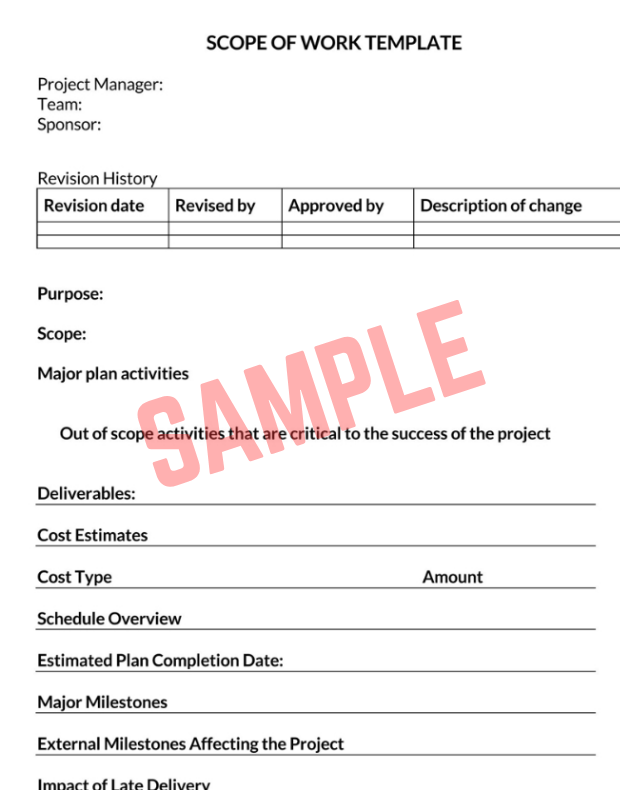
Sample After School Program Scope of Work Template
Having a practical example can significantly help in creating your own SOW. This sample after school program scope of work template provides a structured format and key content areas you can adapt. Remember to customize each section to reflect the unique aspects of your program and its specific goals.
After School Program Scope of Work Template: Sample Structure
I. Program Overview
- Program Name: [e.g., “Bright Futures After School Enrichment Program”]
- Executing Organization: [e.g., “Community Youth Services”]
- Program Period: [Start Date] to [End Date] (e.g., “September 4, 2024 – June 13, 2025”)
- Target Population: [e.g., “Students in grades K-5 from Lincoln Elementary School”]
- Program Purpose: To provide a safe, engaging, and academically supportive environment for elementary students, fostering academic growth, social-emotional development, and creative expression.
II. Program Goals and Objectives
- Goal 1: Improve academic performance.
- Objective 1.1: 80% of participants will complete homework daily with staff assistance.
- Objective 1.2: 70% of participants will show improvement in one core subject area (reading or math) as measured by quarterly assessments.
- Goal 2: Enhance social-emotional skills.
- Objective 2.1: 75% of participants will demonstrate improved conflict resolution skills, as observed by staff.
- Objective 2.2: Participants will engage in at least two cooperative group activities per week.
III. Scope of Services/Activities
- Daily Schedule (Monday-Friday, 3:00 PM – 6:00 PM):
- 3:00 PM – 3:30 PM: Arrival, Check-in, Healthy Snack
- 3:30 PM – 4:30 PM: Homework Help & Academic Support
- 4:30 PM – 5:30 PM: Enrichment Activity Rotation (Art, STEM, Sports, Reading Club)
- 5:30 PM – 6:00 PM: Free Play / Structured Games / Parent Pick-up
- Included Services: Academic tutoring, structured recreational activities, arts & crafts, STEM projects, healthy snacks, mentorship.
- Excluded Services: Individualized counseling, transportation (unless otherwise specified), medical services beyond basic first aid.
IV. Operational Logistics and Resources
- Staffing:
- 1 Program Coordinator (full-time)
- 4 Activity Leaders (part-time), 1:12 staff-to-student ratio
- All staff undergo background checks and child protection training.
- Facilities: Lincoln Elementary School Multi-purpose Room, Library, Gymnasium, and two classrooms.
- Materials: School supplies, art supplies, sports equipment, age-appropriate books, STEM kits.
- Budget: As per attached budget proposal for [Program Period].
- Safety: Adherence to all school district safety protocols, emergency evacuation plans, and first aid certified staff always on site.
V. Performance Measurement and Evaluation
- Key Performance Indicators (KPIs):
- Average daily attendance rate (target: 85%)
- Percentage of participants showing academic improvement (target: 70%)
- Parent satisfaction survey results (target: 90% “satisfied” or “very satisfied”)
- Staff incident report frequency (target: less than 1 per month)
- Evaluation Methods: Quarterly academic progress reports, monthly attendance tracking, annual parent/student satisfaction surveys, staff observation checklists.
- Reporting: Quarterly reports to school administration and funding partners; Annual comprehensive program evaluation report.
This detailed sample provides a strong foundation for your own after school program scope of work template. By systematically addressing each element, you create a robust and actionable plan. This comprehensive approach is key to developing a high-quality program that meets its intended objectives and serves the community effectively.
A well-structured scope of work is more than just a document; it’s a strategic asset for any after-school program. It clarifies expectations, streamlines operations, and provides a clear roadmap for success. By investing time in creating a comprehensive SOW, organizations can ensure their programs are impactful, sustainable, and truly beneficial to the children they serve.
Utilize the principles and the sample after school program scope of work template provided here as a starting point. Tailor it to the unique needs and resources of your community and watch as your program flourishes with newfound clarity and purpose. A robust SOW is a foundational step towards building an after-school program that makes a lasting difference.