Maintaining a clean and welcoming environment is paramount for any church or religious institution. A sanctuary, fellowship hall, and classrooms all serve vital functions, and their cleanliness directly impacts the comfort and experience of congregants and visitors alike. Without a clear plan, however, achieving consistent, high-quality cleaning can be a significant challenge, leading to misunderstandings and missed areas.
This is where a robust church cleaning scope of work template becomes indispensable. It serves as a comprehensive blueprint, detailing every cleaning task, frequency, and expectation for various areas within your facility. Developing such a template ensures that all cleaning personnel, whether volunteers or professional services, understand their responsibilities and the standards required.
By outlining specific duties, this document helps prevent oversights, ensures hygienic conditions, and maintains the spiritual atmosphere of your worship space. This article will guide you through creating an effective church cleaning scope of work template, exploring its essential components and providing a practical example to help you get started.
Establishing Comprehensive Cleaning Standards For Religious Facilities
Ensuring that a religious facility consistently meets high standards of cleanliness requires a structured approach. Every area, from the main sanctuary to the administrative offices, plays a role in the overall experience for congregants and staff. A detailed scope of work helps to set clear expectations and provides a benchmark for quality.
Regular maintenance is key to preventing major cleaning issues from developing over time. It ensures that the building remains presentable and hygienic for all activities. By defining these tasks clearly, churches can manage their cleaning efforts more effectively and efficiently.
Defining Routine Maintenance Tasks
Routine cleaning tasks are those performed frequently, often daily or weekly, to maintain basic hygiene and appearance. These activities are the backbone of any effective cleaning program, ensuring that common areas remain tidy and inviting. Clarity on these tasks prevents guesswork and ensures consistent upkeep.
Here are some typical routine maintenance tasks for a church facility:
- Dusting: All accessible surfaces, including pews, altars, pulpits, windowsills, and furniture.
- Vacuuming/Sweeping: All carpeted and hard floor areas, particularly high-traffic zones like aisles and entryways.
- Mopping: All hard floor surfaces in restrooms, kitchens, and common areas using appropriate cleaning solutions.
- Restroom Cleaning: Sanitizing toilets, sinks, and countertops; refilling soap, paper towel, and toilet paper dispensers; emptying trash.
- Trash Removal: Emptying all waste receptacles throughout the building and replacing liners.
- Glass Cleaning: Spot cleaning entrance doors and interior glass surfaces for fingerprints and smudges.
Addressing Specialized Deep Cleaning Requirements
Beyond routine tasks, religious facilities also require periodic deep cleaning to address more extensive sanitation and maintenance needs. These tasks are performed less frequently, perhaps monthly, quarterly, or annually, but are crucial for maintaining the longevity and hygiene of the building’s assets. Ignoring deep cleaning can lead to faster wear and tear, and also compromise the indoor air quality.
Deep cleaning requires specialized equipment and often takes more time and resources. Clearly defining these needs in a church cleaning scope of work template ensures they are not overlooked.
Examples of specialized deep cleaning requirements include:
- Carpet Cleaning: Shampooing or steam cleaning carpets to remove embedded dirt and stains.
- Floor Stripping and Waxing: For hard floors, to restore shine and protect the surface.
- Window Washing: Cleaning all interior and exterior windows, including frames and sills.
- Upholstery Cleaning: Cleaning fabric chairs, pews, or other upholstered furniture.
- High Dusting: Cleaning light fixtures, ceiling fans, vents, and other elevated surfaces.
- Kitchen Appliance Cleaning: Thorough cleaning and sanitizing of ovens, refrigerators, and microwaves in fellowship hall kitchens.
Implementing Health And Safety Protocols
The health and safety of congregants, staff, and volunteers should always be a top priority in any cleaning operation. Especially in communal spaces like churches, implementing strict health and safety protocols is essential to prevent the spread of germs and ensure a safe environment. A comprehensive church cleaning scope of work template must integrate these crucial guidelines.
This includes specifying the use of appropriate disinfectants, particularly in high-touch areas, and adherence to established safety standards. Training cleaning staff on proper chemical handling, equipment usage, and emergency procedures is also vital. In today’s world, proper sanitization practices are more important than ever.
Key Components Of An Effective Church Cleaning Scope Of Work Template
Creating a truly effective church cleaning scope of work template involves more than just listing tasks. It requires a strategic approach to ensure clarity, accountability, and consistent quality. Each component plays a crucial role in preventing misunderstandings and establishing a professional cleaning partnership.
Well-defined sections within the template will serve as a guiding document for both the church administration and the cleaning service provider. This structured approach helps in setting realistic expectations and facilitates smooth operations. Without these components, even the best intentions can lead to suboptimal cleaning results.
Crafting Detailed Service Level Agreements
A service level agreement (SLA) within your cleaning scope of work defines the specific expectations regarding cleaning quality, frequency, and responsiveness. This section outlines how performance will be measured and what actions will be taken if standards are not met. It sets a clear benchmark for success and prevents ambiguity.
For instance, an SLA might specify a response time for emergency spills or a schedule for routine inspections. It helps both parties understand their roles and responsibilities in maintaining the cleanliness of the facility. This level of detail is critical for managing expectations effectively.
Integrating Supply Management And Equipment Specifications
Clarifying who is responsible for providing cleaning supplies and equipment is a crucial aspect often overlooked in basic cleaning agreements. This section of your church cleaning scope of work template should detail whether the church will supply materials or if the cleaning service is expected to provide their own. It also outlines the types of chemicals and equipment to be used.
For example, specifying the use of eco-friendly cleaning products or industrial-grade vacuum cleaners ensures adherence to church values or specific facility needs. Proper equipment and supplies are fundamental to achieving high-quality cleaning results. This clarity avoids disputes and ensures that tasks can be performed efficiently.
Outlining Communication And Reporting Procedures
Effective communication is the cornerstone of any successful partnership, including cleaning services. This section of the template should establish clear channels for communication between church management and the cleaning team. It outlines how issues, concerns, or special requests will be reported and resolved.
This might include designating a specific contact person, setting up a regular check-in schedule, or defining a process for submitting feedback. Regular reporting procedures, such as completion checklists or incident reports, ensure transparency and accountability. A well-defined communication plan fosters a collaborative environment and promptly addresses any cleaning-related challenges.
Sample Church Cleaning Scope Of Work Template
A practical church cleaning scope of work template provides a clear, actionable guide for all cleaning activities. This sample outlines various tasks by area and frequency, ensuring comprehensive coverage and maintaining high standards of cleanliness. It’s designed to be adaptable to the specific needs and layout of any religious facility.
This example structure can be easily modified to include additional areas or specialized tasks relevant to your church. Using a structured format like this helps to organize the vast number of cleaning requirements into manageable sections. Remember, this is a starting point, and tailoring it to your unique facility is essential for optimal results.
Church Cleaning Scope Of Work Template
Document Version: 1.0 Date: October 26, 2023 Prepared For: [Your Church Name] Prepared By: [Cleaning Service Provider Name or Internal Cleaning Manager]
I. General Information
- Facility Name: [Church Name]
- Address: [Church Address]
- Contact Person (Church): [Name], [Title], [Phone], [Email]
- Contact Person (Cleaning Service): [Name], [Title], [Phone], [Email]
- Service Frequency: [e.g., 3 times per week, Monday/Wednesday/Friday evenings]
- Service Hours: [e.g., 6:00 PM – 9:00 PM]
II. Scope of Services & Task Breakdown
A. Entrance/Narthex/Lobby Areas (Weekly)
- Sweep/vacuum and mop all hard flooring.
- Vacuum entrance mats and rugs.
- Dust and wipe down all horizontal surfaces (tables, benches, reception desk).
- Clean all glass entrance doors and windows (interior/exterior spot clean).
- Empty and wipe down all waste receptacles.
- Dust light fixtures and accessible ledges.
- Remove cobwebs from corners and ceiling.
B. Sanctuary/Worship Space (Weekly)
- Vacuum all carpeted areas, including aisles and altar steps.
- Dust pews, pulpit, altar, and communion rails.
- Wipe down musical instruments (organs, pianos – exterior only, avoid specialized surfaces).
- Spot clean walls and baseboards.
- Empty all waste receptacles.
- Arrange hymnals and Bibles neatly in pew racks.
- Dust accessible light fixtures and ceiling fans.
C. Restrooms (Weekly)
- Clean and sanitize all toilets, urinals, and sinks.
- Wipe down and sanitize countertops.
- Clean and polish mirrors.
- Mop and sanitize floors.
- Refill toilet paper, paper towel, and soap dispensers.
- Empty and sanitize waste receptacles.
- Spot clean walls and partitions.
D. Classrooms/Nursery (Weekly)
- Vacuum/sweep and mop floors.
- Dust furniture, shelves, and window sills.
- Wipe down tables and chairs.
- Empty waste receptacles.
- Spot clean walls (fingerprints, scuffs).
- Arrange furniture neatly.
E. Fellowship Hall/Kitchen (Weekly – light clean, Monthly – deep clean)
- Weekly:
- Sweep/vacuum and mop floors.
- Wipe down countertops and sinks.
- Empty waste receptacles.
- Wipe exterior of appliances.
- Monthly (Deep Clean):
- Thorough cleaning of oven, microwave, and refrigerator interiors.
- Wipe down interior of all cabinets.
- Scrub floor grout.
- Clean pantry shelves.
F. Offices (Weekly)
- Vacuum/sweep and mop floors.
- Dust desks, bookshelves, and other furniture (avoid disturbing papers).
- Empty waste receptacles.
- Wipe down common office equipment (copiers, printers – exterior only).
III. Special/Deep Cleaning Tasks (Quarterly/Annually – as specified)
- Carpet shampooing (Sanctuary, Fellowship Hall, Offices): [Quarterly/Annually]
- Stripping and waxing hard floors (Fellowship Hall, Kitchen): [Annually]
- Interior/Exterior window washing (all accessible windows): [Semi-annually]
- Upholstery cleaning (pews, chairs): [Annually]
- High dusting (ceiling vents, light fixtures, wall decor): [Semi-annually]
IV. Cleaning Supplies & Equipment
- Provided By Church: [e.g., Toilet paper, paper towels, hand soap, trash bags]
- Provided By Cleaning Service: [e.g., All cleaning chemicals, vacuum cleaners, mops, buckets, floor scrubbers, disinfectants]
- Chemical Requirements: All chemicals must be commercial-grade, eco-friendly [if applicable], and used according to manufacturer instructions. MSDS sheets must be available upon request.
V. Quality Control & Communication
- Inspections: Weekly walk-through with church representative and cleaning supervisor.
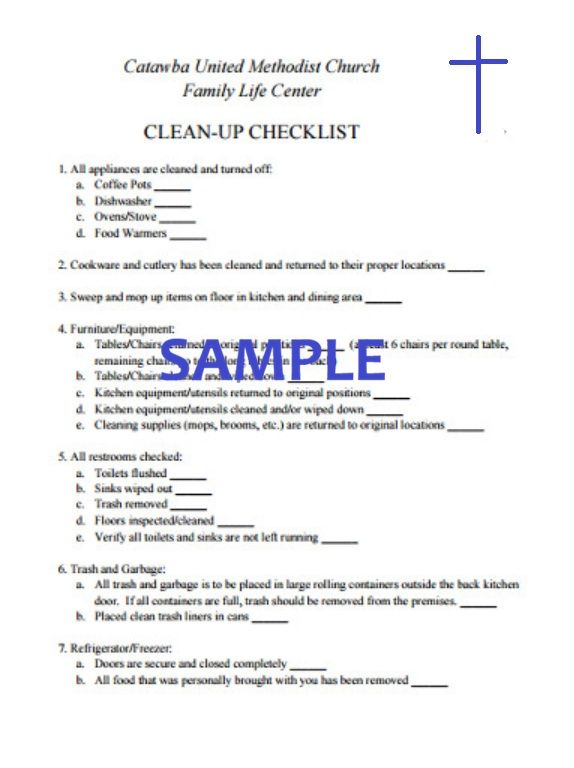
- Reporting: Cleaning service to provide a completed checklist after each service.
- Feedback: Church representative to provide feedback within 24 hours of service completion.
- Emergency Contact: [Cleaning Service Supervisor Name, Phone, Email]
VI. Health & Safety Protocols
- All cleaning personnel must adhere to [Church Name]’s safety guidelines.
- Use of PPE (gloves, masks) is required for specific tasks.
- Disinfection of high-touch surfaces (door handles, light switches) is paramount.
- Proper signage must be used for wet floors.
Implementing a well-crafted church cleaning scope of work template is more than just a task list; it’s a commitment to maintaining a sacred and welcoming space. This comprehensive document ensures that every corner of your facility receives the attention it needs, fostering an environment where congregants can focus on their spiritual journey without distraction. Consistency, clarity, and communication are the pillars of an effective cleaning program.
By meticulously outlining expectations and responsibilities, churches can streamline their cleaning operations, whether managed internally or by a professional service. Investing time in developing or adapting a robust template will undoubtedly pay dividends in the long run, contributing to a healthier, more organized, and spiritually uplifting environment for everyone who walks through your doors.