
Embarking on a new construction project or upgrading an existing building often involves the critical task of installing a new elevator system. This complex undertaking requires meticulous planning and clear communication between all parties involved. Without a well-defined framework, projects can quickly derail, leading to budget overruns, delays, and disputes.
This is precisely where a robust elevator installation scope of work template becomes indispensable. It serves as a comprehensive roadmap, outlining every task, responsibility, deliverable, and timeline associated with the elevator installation process. Having such a document ensures everyone is on the same page from project inception to completion, mitigating misunderstandings and fostering a smoother workflow.
Throughout this article, we will delve into the essential elements that comprise an effective elevator installation project plan. We’ll explore the critical phases of elevator system implementation and provide a detailed example of what a professional scope of work document should contain, helping you streamline your next vertical transportation project.
Key Components Of An Effective Elevator Installation Project Plan
A successful elevator installation hinges on a meticulously planned project. Crafting a detailed scope of work (SOW) document is paramount, acting as the blueprint for the entire vertical transportation system’s deployment. This section breaks down the crucial elements that must be included to ensure clarity, efficiency, and compliance.
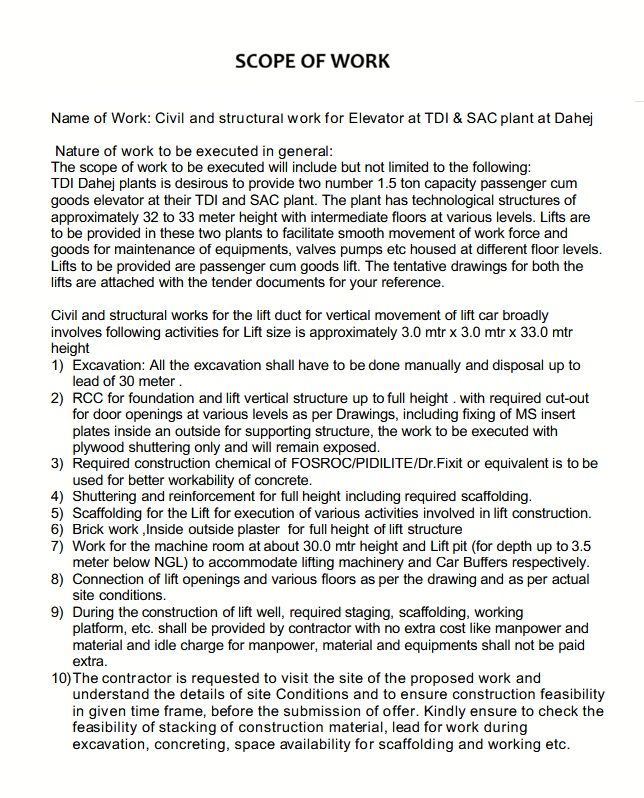
Pre-Installation Preparations And Site Assessment
The groundwork laid before any physical installation begins is critical for project success. This initial phase defines the project parameters and identifies potential challenges. A thorough site assessment helps in anticipating issues and planning for their mitigation upfront, saving time and resources later.
A robust elevator installation scope of work template should clearly delineate all pre-installation activities. These include site surveys, feasibility studies, and detailed engineering design reviews. It’s essential to specify responsibilities for each task, from obtaining necessary permits to coordinating with other trades on site.
Key elements to consider in this phase are:
- Site Survey and Assessment: Detailed measurements, structural analysis, and identification of access routes.
- Permits and Approvals: Documentation of all required local, state, and national building codes and certifications.
- Design and Engineering Review: Confirmation of elevator specifications, shaft dimensions, machine room requirements, and electrical provisions.
- Safety Protocols: Establishment of site-specific safety plans, risk assessments, and emergency procedures before work commences.
- Material Procurement and Logistics: Defining timelines for ordering, delivery, and secure storage of elevator components.
Installation Execution And Quality Control
Once preparations are complete, the actual installation phase begins. This stage requires rigorous oversight and adherence to established standards to ensure the elevator system is installed correctly and safely. Effective quality control measures are vital to prevent future operational issues.
The SOW template must outline the exact steps involved in the physical installation process. This includes everything from shaft preparation and rail installation to wiring, cab assembly, and control system integration. Specific milestones and completion criteria for each step should be clearly defined.
Crucial aspects of the execution phase involve:
- Elevator Shaft Preparation: Ensuring the shaft is clean, level, and meets all dimensional requirements.
- Guide Rail Installation: Precise alignment and secure fastening of guide rails for smooth cab movement.
- Machine Room Setup: Installation of motors, controllers, and electrical panels according to design.
- Cab Assembly and Interior Finishing: Construction and fitting of the elevator car, including aesthetic elements and safety features.
- Wiring and Control System Integration: Connecting all electrical components and programming the control system for optimal performance.
- Testing and Adjustment: Comprehensive testing of all safety features, operational functions, and ride quality.
Post-Installation Procedures And Handover
The project isn’t truly complete until the elevator system is fully commissioned, certified, and handed over to the client. This final phase ensures the system is operational, compliant, and ready for use, along with providing the necessary documentation and training. Ongoing support is also crucial.
A comprehensive elevator installation scope of work template will detail all post-installation requirements. This includes final inspections, safety certifications, and performance testing to confirm the elevator meets all specifications and regulatory standards. Clear handover procedures are essential for a smooth transition.
Important elements for this stage are:
- Final Inspections and Commissioning: Joint inspections with the client and regulatory bodies to verify compliance and functionality.
- Safety Certifications: Obtaining all necessary permits and certificates for safe operation.
- Performance Testing: Running the elevator through various scenarios to confirm speed, leveling accuracy, and emergency functions.
- Documentation and Training: Providing complete operational manuals, maintenance guides, warranties, and user training.
- Warranty and Support: Outlining warranty periods, emergency contact information, and initial maintenance agreements.
Detailed Sample Of An Elevator Installation Scope Of Work Template
Creating a clear and detailed scope of work is fundamental for any successful elevator project. Below is a sample elevator installation scope of work template designed to provide a comprehensive framework. This example illustrates the critical sections and details you should include when defining project deliverables and responsibilities.
Project Name: [Client Name] – [Building Name/Location] Elevator Installation
Date: [Date of Document Creation]
Project Manager (Client): [Client PM Name]
Project Manager (Contractor): [Contractor PM Name]
1. Project Overview
This Scope of Work (SOW) outlines the complete services for the supply, installation, testing, and commissioning of one (1) passenger elevator system at [Building Name/Address]. The objective is to provide a safe, efficient, and reliable vertical transportation solution in accordance with all applicable codes and client specifications.
2. Scope Of Services
The contractor shall provide all labor, materials, equipment, and supervision necessary for the complete installation of the elevator system, including but not limited to:
- Detailed site survey and assessment to confirm final dimensions and requirements.
- Supply and delivery of all elevator components (cab, motor, rails, ropes, control panel, door mechanisms, etc.).
- Preparation of the elevator shaft, including any necessary structural modifications identified during the survey.
- Installation of guide rails, counterweight system, and all associated mechanical components.
- Installation of the elevator machine/traction system and control panel.
- Complete wiring and electrical connections from the main power supply to the elevator controller.
- Assembly and installation of the elevator car (cab) and car operating panel.
- Installation of all landing doors, frames, and operating mechanisms on each floor.
- Integration of all safety devices, emergency communication systems, and alarm bells.
- Testing, adjustment, and balancing of the entire elevator system to ensure smooth operation, leveling accuracy, and adherence to speed specifications.
- Final commissioning and obtaining all required governmental and safety certifications (e.g., [Specific Local Authority] Certificate of Operation).
- Cleaning of the installation area upon completion.
3. Client Responsibilities
The client shall be responsible for:
- Providing clear, unobstructed access to the elevator shaft and machine room area.
- Ensuring main power supply is available at the specified location and capacity.
- Providing necessary site security and access for contractor personnel and materials.
- Approving all design drawings and material selections in a timely manner.
- Facilitating inspections by regulatory authorities as required.
4. Deliverables
Upon completion, the contractor shall provide the following:
- Fully installed, tested, and commissioned elevator system.
- Official Certificate of Operation from the relevant authority.
- Complete set of “as-built” drawings and electrical schematics.
- Operation and maintenance manuals for the elevator system.
- Warranty documentation for all supplied components and workmanship.
- Training session for client’s designated personnel on basic operation and emergency procedures.
5. Project Timeline
The estimated project timeline is [Number] weeks, commencing on [Start Date] and targeting completion by [End Date]. Key milestones include:
- Site Survey & Design Approval: [X weeks from start]
- Material Procurement & Delivery: [Y weeks from start]
- Mechanical Installation Complete: [Z weeks from start]
- Electrical & Cab Installation Complete: [A weeks from start]
- Testing, Commissioning & Certification: [B weeks from start]
6. Payment Schedule
Payment terms will be outlined in the separate contract agreement. Generally, payments are milestone-based, with typical stages being: [e.g., 20% upon signing, 30% upon material delivery, 30% upon mechanical completion, 20% upon final commissioning and certification].
7. Warranty
The contractor provides a [Number]-year warranty on parts and labor for the installed elevator system, effective from the date of final commissioning. Details of warranty coverage and exclusions are provided in the separate warranty document.
A well-crafted scope of work template is more than just a document; it’s a foundational tool for successful project management. By clearly defining every aspect of an elevator installation, from initial site assessment to final handover, you establish transparent expectations and minimize potential conflicts. This clarity ensures that both the client and the contractor are aligned, fostering a collaborative environment aimed at achieving a high-quality, safe, and efficient vertical transportation system.
Embrace the power of a detailed elevator installation scope of work template for your next project. It will not only streamline operations but also act as a benchmark for quality and accountability. Investing time in developing such a robust document upfront will undoubtedly save significant time, money, and headaches down the line, leading to a successful project outcome and a reliable elevator system for years to come.