Maintaining a boiler is far more than just fixing issues when they arise. It’s about proactive care that ensures safety, efficiency, and extends the lifespan of this critical piece of equipment. Without a clear plan, vital steps can be missed, leading to expensive repairs or even dangerous operating conditions. A well-defined boiler maintenance scope of work template provides the structure needed to keep your heating system running smoothly.
Implementing a structured maintenance program is crucial for any facility, whether commercial or industrial. It transforms reactive troubleshooting into a predictable, cost-effective strategy. This guide will explore the essential components of such a plan, offering insights into why a standardized approach is invaluable. You will learn about key elements to include and see an example of an effective boiler maintenance scope of work template.
Why a Defined Boiler Maintenance Plan is Essential
A comprehensive maintenance plan is the backbone of reliable boiler operation. It helps facility managers predict and prevent potential problems before they escalate into major issues. This proactive approach saves significant money and ensures consistent operational performance. Neglecting regular boiler upkeep can lead to inefficient heating, increased energy consumption, and unexpected downtime.
Ensuring Safety and Compliance
Safety is paramount when operating any boiler system. A well-structured boiler maintenance scope of work template ensures that all safety checks and regulatory requirements are consistently met. This includes inspections for leaks, pressure relief valve functionality, and combustion analysis. Adherence to safety protocols protects personnel and prevents catastrophic failures.
Furthermore, many industries are subject to strict local and national regulations regarding boiler operation. A detailed maintenance plan helps document compliance, providing a clear audit trail. Regular checks and recorded findings ensure that your system meets all legal standards, avoiding penalties and operational disruptions. This meticulous approach is vital for risk management.
Maximizing Efficiency and Longevity
Boilers are significant energy consumers, and even minor inefficiencies can lead to substantial financial losses. Regular maintenance, guided by a precise plan, optimizes fuel consumption. Tasks like cleaning heat exchange surfaces, calibrating controls, and checking insulation directly impact the boiler’s overall efficiency. This attention to detail results in lower energy bills.
A systematic approach to maintenance also significantly extends the operational life of the equipment. Proactive replacement of worn parts and consistent lubrication prevent premature wear and tear. Studies show that well-maintained boilers can last up to 10-15 years longer than those that receive only reactive repairs. This translates into considerable long-term savings for your organization.
Preventing Costly Breakdowns
The cost of an emergency boiler breakdown can be staggering, encompassing repair expenses, production losses, and potential damage to other equipment. A robust maintenance schedule minimizes the likelihood of these disruptive events. Technicians can identify and address small issues during routine inspections before they evolve into critical failures.
For example, a sudden boiler shutdown can cost a manufacturing plant thousands of dollars per hour in lost production. Implementing a preventive maintenance strategy, detailed in a boiler maintenance scope of work template, ensures that critical components are checked and serviced regularly. This dramatically reduces the risk of unexpected failures, providing peace of mind and operational continuity.
Key Elements of an Effective Boiler Maintenance Scope of Work Template
Creating an effective boiler maintenance plan involves more than just listing tasks. It requires a systematic approach that covers various aspects of boiler operation and care. A good template clearly defines responsibilities, frequencies, and necessary documentation. This structure makes the maintenance process repeatable and reliable.
Routine Inspections and Checks
Daily and weekly inspections form the foundation of any robust maintenance program. These routine checks allow operators to quickly spot obvious issues and address them before they escalate. Consistent daily monitoring is a simple yet powerful preventive measure.
Key routine tasks typically include:
- Checking water levels and pressure gauges
- Inspecting for visible leaks around pipes and valves
- Monitoring flue gas temperatures and combustion readings
- Verifying proper operation of safety controls and interlocks
- Logging operating parameters in a daily record sheet
Seasonal and Annual Overhauls
Beyond routine checks, boilers require more intensive maintenance on a seasonal or annual basis. These deeper dives address wear and tear that isn’t apparent during daily inspections. Planning these overhauls minimizes disruption, often scheduling them during periods of lower demand.
Seasonal and annual tasks may include:
- Boiler cleaning (fireside and waterside) to remove soot, scale, and deposits
- Inspecting and cleaning burners, igniters, and fuel delivery systems
- Testing and calibrating all operating and safety controls
- Inspecting refractory, insulation, and casing for damage
- Overhauling feed pumps, condensate return systems, and water treatment equipment
- Testing relief valves and performing a full combustion analysis
Documentation and Reporting
Thorough documentation is a non-negotiable part of any effective boiler maintenance program. It provides a historical record of all work performed, parts replaced, and issues identified. This information is invaluable for tracking trends, proving compliance, and planning future maintenance activities.
A good boiler maintenance scope of work template will include sections for:
- Recording dates and times of service
- Listing personnel involved and their certifications
- Detailing observations, measurements, and readings
- Documenting parts used and any repairs made
- Providing recommendations for future service or upgrades
Sample Boiler Maintenance Scope of Work Template
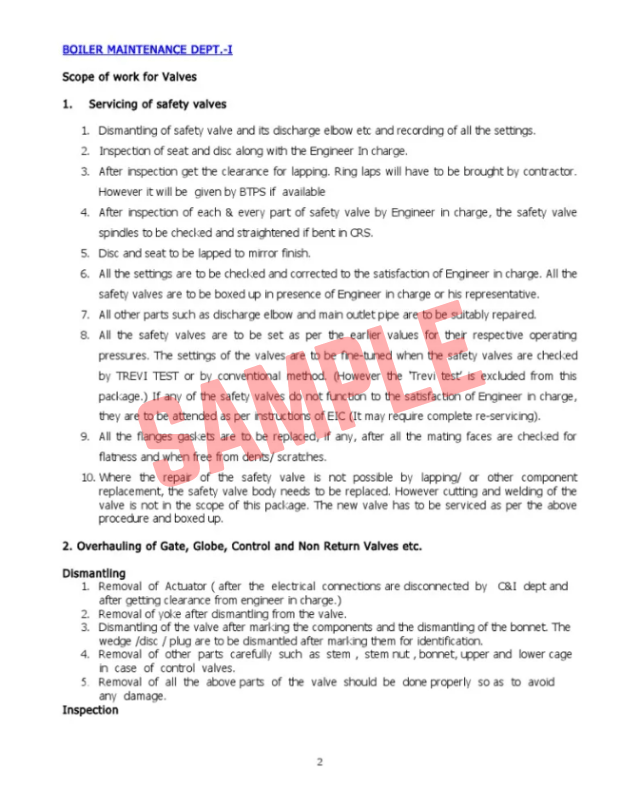
A clear and comprehensive template helps ensure consistency and thoroughness in boiler maintenance tasks. Below is an example demonstrating the typical structure and content you might find in a detailed scope of work. This format is designed to be easily adaptable for various boiler types and operational needs.
Project Title: Annual Boiler System Preventive Maintenance
Client: [Client Name/Facility Name]
Location: [Boiler Room/Facility Address]
Date of Service: [Start Date] – [End Date]
Boiler Unit(s): [Boiler ID 1, Boiler ID 2, etc. – include Make/Model/Serial Number]
General Scope Overview
- Perform comprehensive preventive maintenance on specified boiler unit(s).
- Ensure safe, efficient, and reliable operation for the upcoming operating cycle.
- Document all findings, readings, and performed services.
- Comply with all applicable safety standards and manufacturer recommendations.
Detailed Task Breakdown
A. Pre-Service Checklist & Safety Protocols
- Verify boiler shutdown and lockout/tagout procedures.
- Conduct pre-inspection walk-through with client representative.
- Review previous service records and operational logs.
- Confirm availability of required tools, parts, and safety equipment.
B. Boiler Exterior & Surroundings
- Inspect boiler casing, insulation, and refractory for damage or hot spots.
- Check all piping, valves, and fittings for leaks or corrosion.
- Ensure proper ventilation and clear access around the boiler.
- Verify integrity of exhaust stacks and breeching.
C. Waterside Inspection & Cleaning
- Drain boiler and perform internal visual inspection of waterside surfaces.
- Clean waterside surfaces to remove scale and sludge accumulation.
- Inspect tubes for pitting, erosion, or thinning.
- Examine mud drum and steam drum internals (e.g., baffles, dry pipes).
- Inspect and clean low water cut-off (LWCO) probes and float mechanisms.
- Replace gaskets as necessary (e.g., manway, handhole).
D. Fireside Inspection & Cleaning
- Open boiler fireside access points.
- Clean all fireside surfaces to remove soot and combustion byproducts.
- Inspect tubes, tube sheets, and refractory for damage, cracks, or wear.
- Check burner assembly, igniters, flame scanner, and air registers.
- Ensure proper sealing of fireside access doors.
E. Burner and Fuel System Maintenance
- Clean and inspect burner components (e.g., nozzles, diffusers).
- Check fuel train components (e.g., gas pressure regulators, oil filters, strainers).
- Verify proper operation of fuel safety interlocks.
- Perform combustion analysis and tune burner for optimal efficiency.
F. Controls and Safety Devices
- Test all operating and limit controls (e.g., pressure switches, temperature sensors).
- Test safety relief valves (according to local regulations/manufacturer specs).
- Calibrate gauges and sensors as required.
- Inspect wiring and electrical connections for wear or damage.
G. Ancillary Equipment Checks
- Inspect and test feed water pump(s).
- Check condensate return system, traps, and receiver.
- Verify operation of water treatment equipment (e.g., chemical feed pumps, softeners).
- Inspect blowdown system and ensure proper function.
H. Post-Service & Commissioning
- Re-fill boiler and bring to operating pressure/temperature.
- Conduct leak tests.
- Perform final operational checks and confirm proper system function.
- Review service findings and recommendations with client.
Reporting and Documentation
- Provide detailed service report including all tasks performed, findings, and readings.
- Include before and after photos where applicable.
- Supply list of replaced parts.
- Note any deficiencies, recommendations for future repairs, or upgrades.
- Obtain client sign-off on completed work.
Exclusions
- Major repairs or part replacements not explicitly listed (will be quoted separately).
- Hazardous material disposal beyond standard practices.
- Structural modifications to the boiler or associated systems.
Implementing a structured boiler maintenance scope of work template like the one above ensures no critical steps are overlooked. It provides a clear roadmap for technicians and offers transparency to clients or facility managers. This systematic approach is the cornerstone of effective boiler management, leading to improved performance and extended equipment life.
Adopting a comprehensive boiler maintenance strategy is not just an expense; it’s a wise investment in operational continuity and long-term cost savings. By consistently applying a detailed plan, facilities can dramatically reduce the risk of unexpected breakdowns and costly emergency repairs. Proactive care ensures your heating system operates at peak efficiency, safeguarding both your budget and your peace of mind.